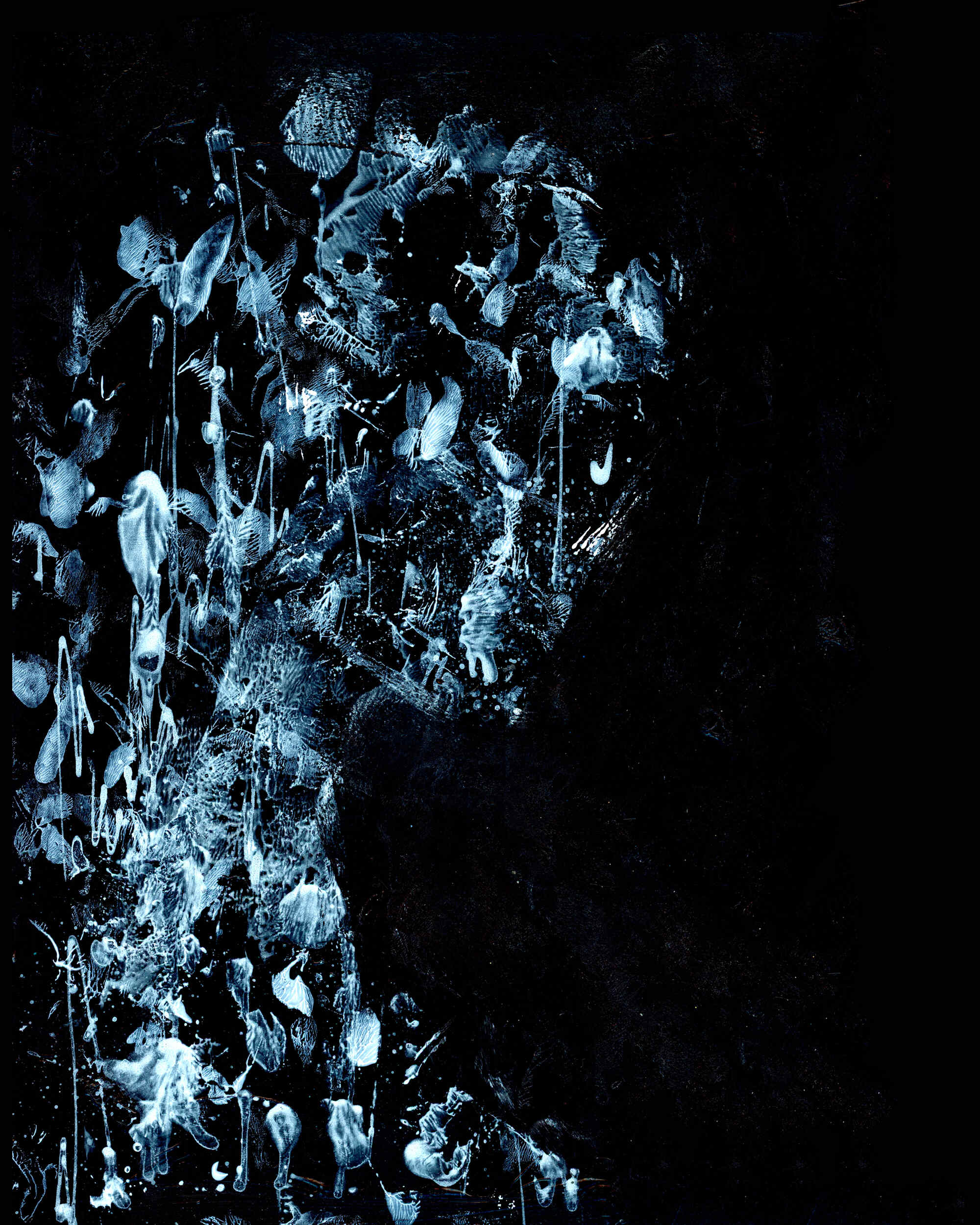
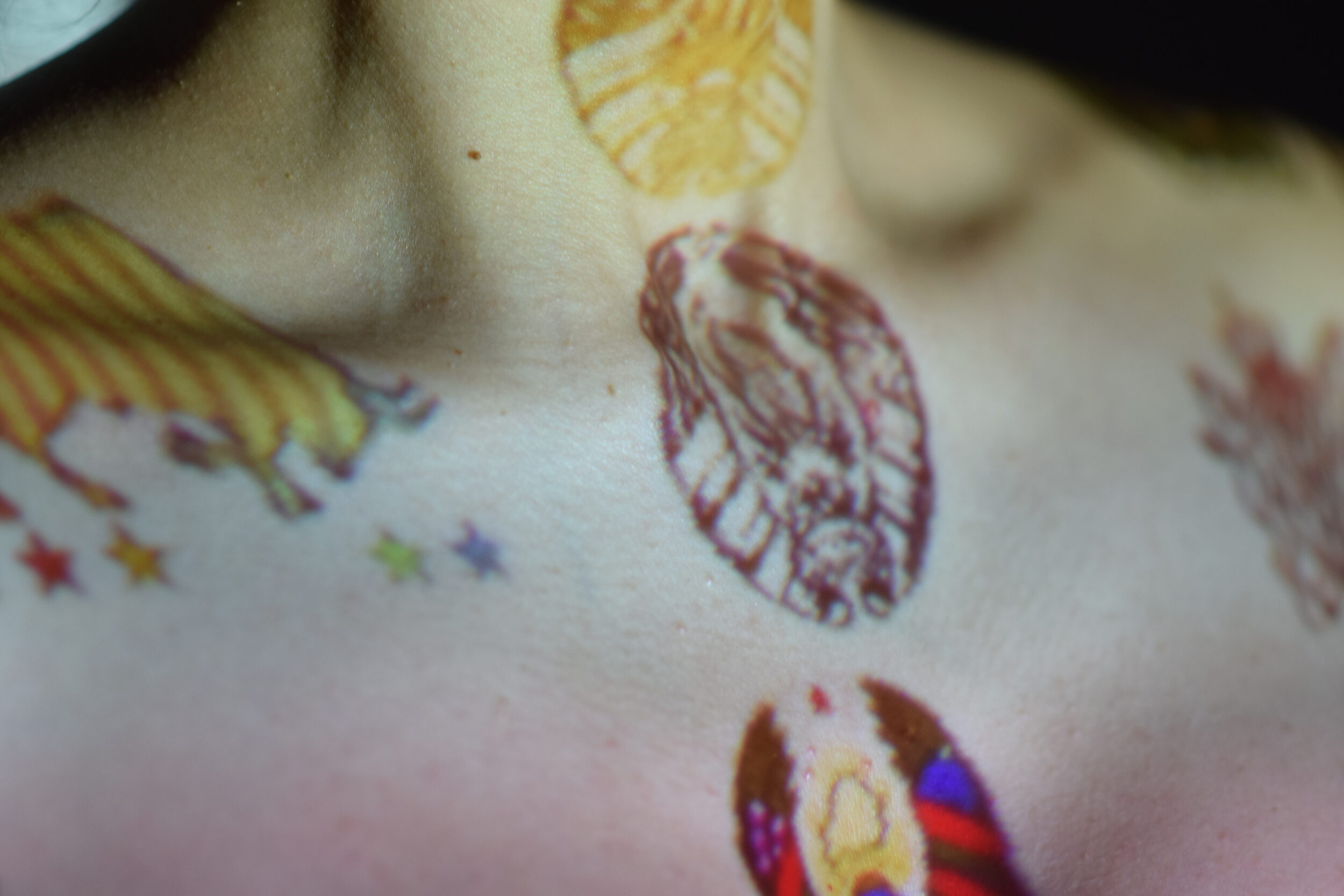
Imprint — fig. 01
Fig. 01
Works on imprint, erosion, system, and field notes — material records of identity, surveillance, and the thresholds at which a surface surrenders.
I · The Work ↓
Natallia Paliashuk is a contemporary artist working in mixed media, painting, and textile. Her practice treats the surface — skin, fabric, canvas, the urban street — as a record that keeps receiving what the world presses into it.
Four lines of enquiry organise the work. Imprint: what remains when identity is stamped, documented, or absorbed. Erosion: the moment a structure admits it cannot contain the pressure any longer. System: the grids, norms, and measurements that watch the body and decide what is legible. Field Notes: the open chapter — what is being gathered now, before it has settled into a form.
Trained at HKU Utrecht, Gerrit Rietveld Academie, and Breitner Academie, she works between Eastern European and Dutch frames of reference — an interest less in reconciliation than in the residue produced when the two are held together.
The surface as a record — skin, documents, urban wall — retaining every stamp, every pressure, every inherited pattern. What belongs to the self after the system has marked it?
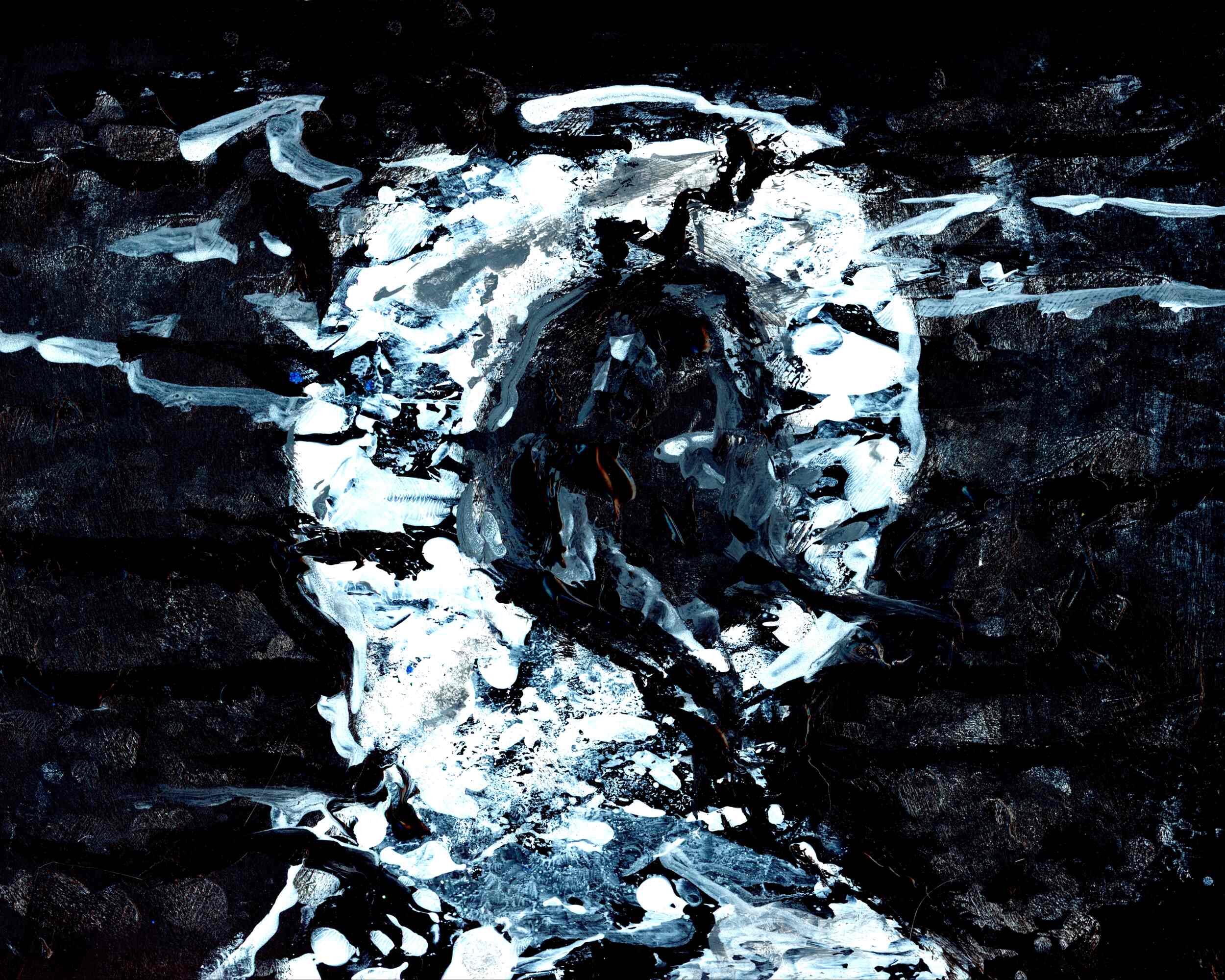
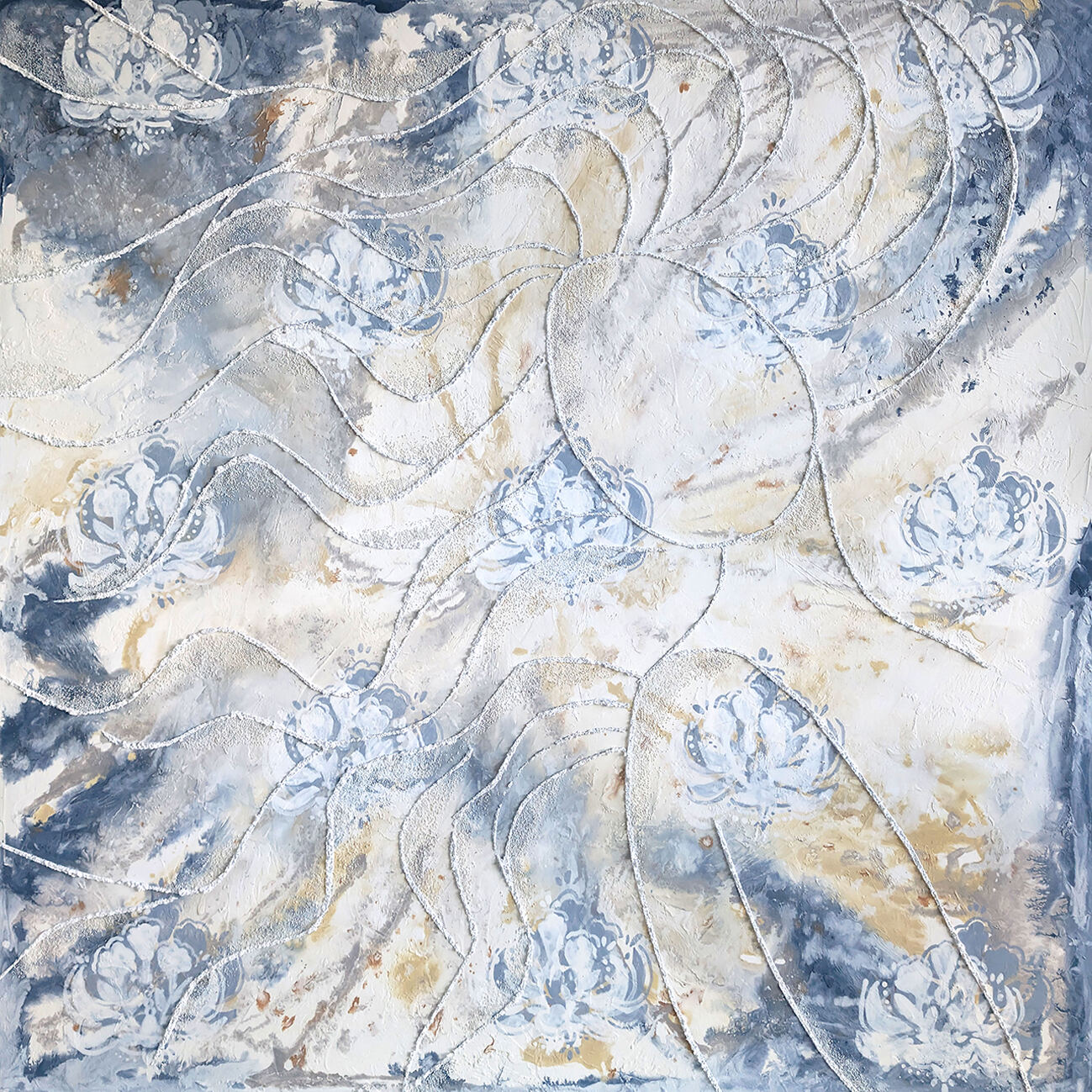
The threshold at which a held thing stops holding. Inner waters rising, the first fissure radiating outward — documents of the moment structural integrity surrenders to accumulated pressure.
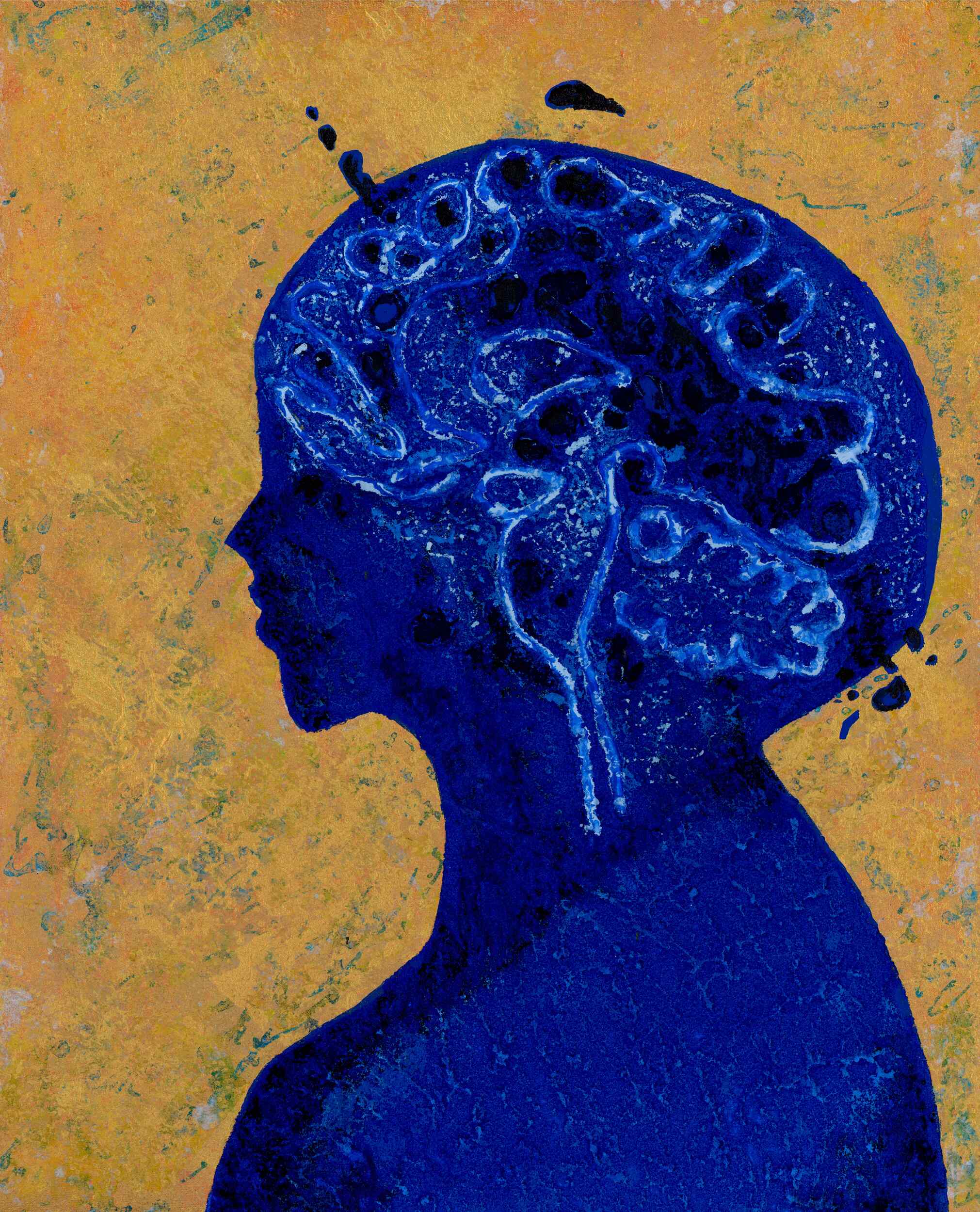
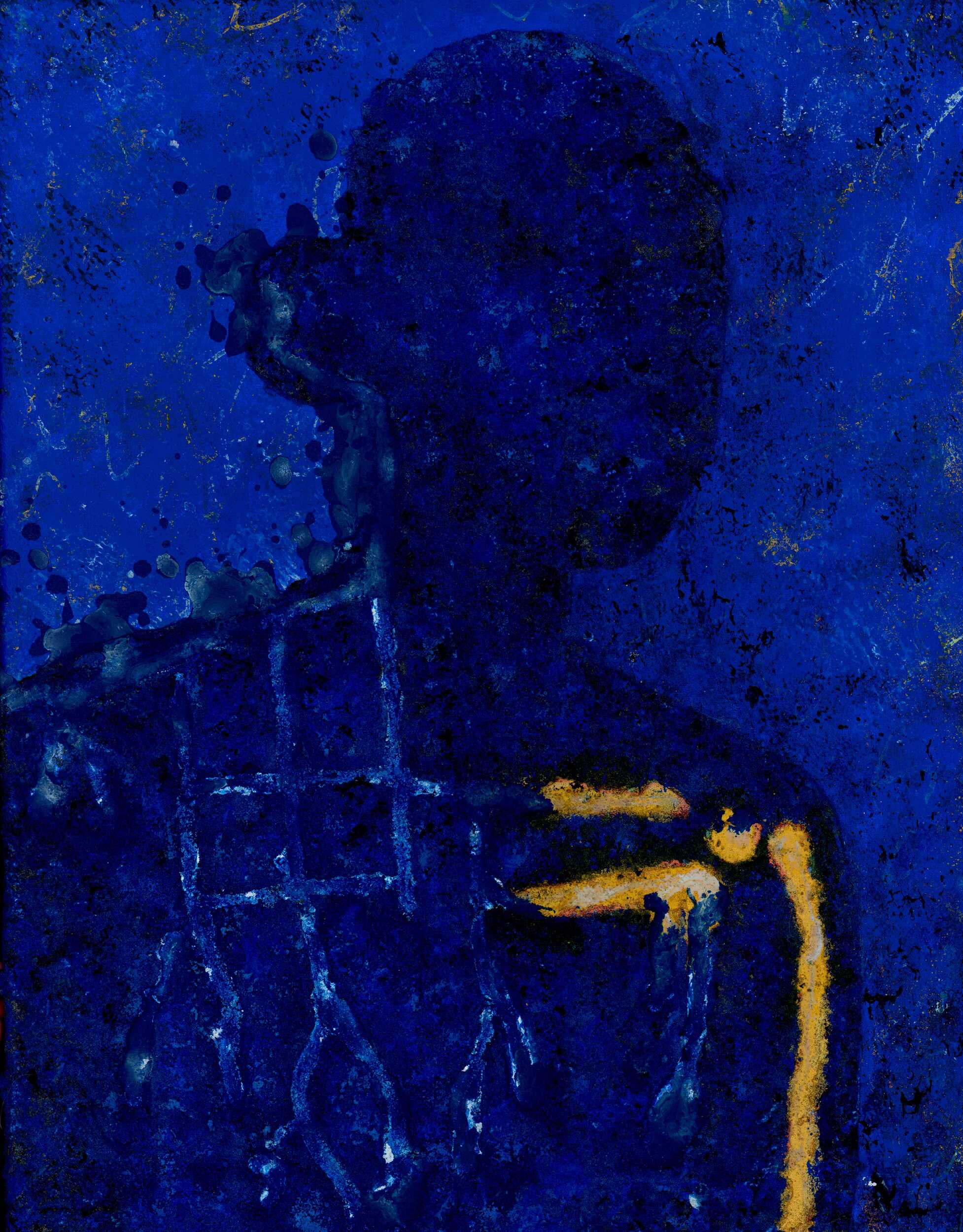
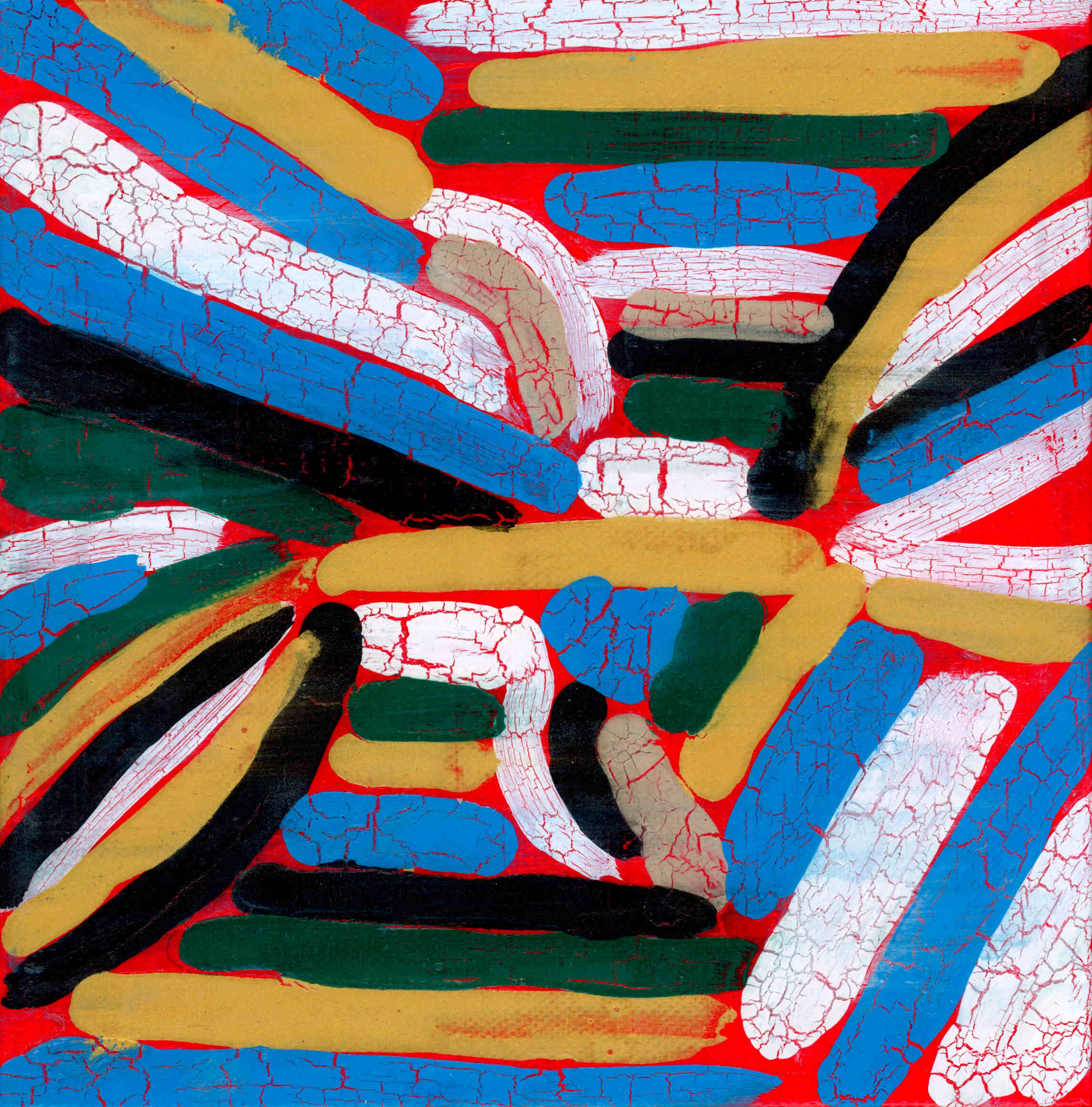
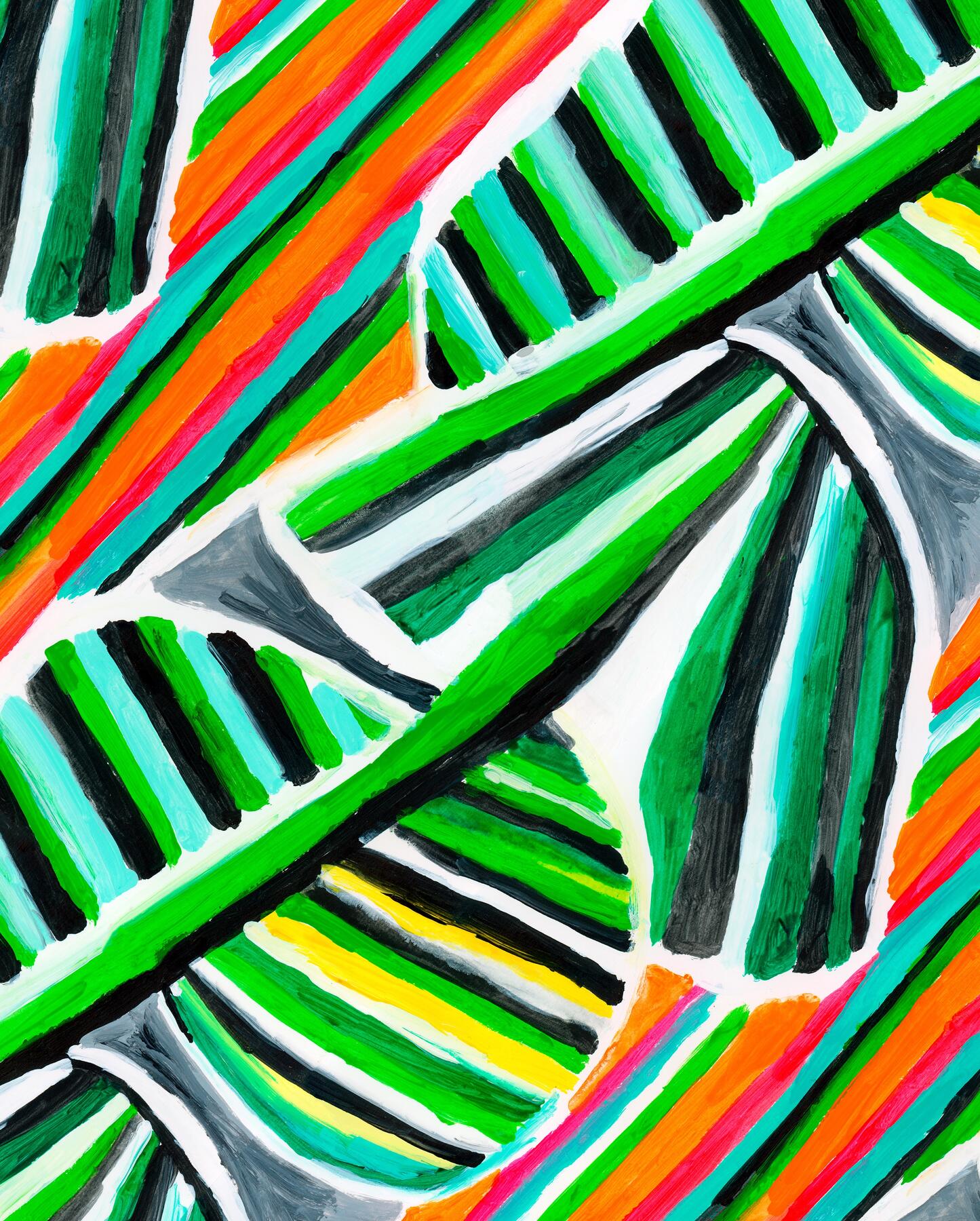
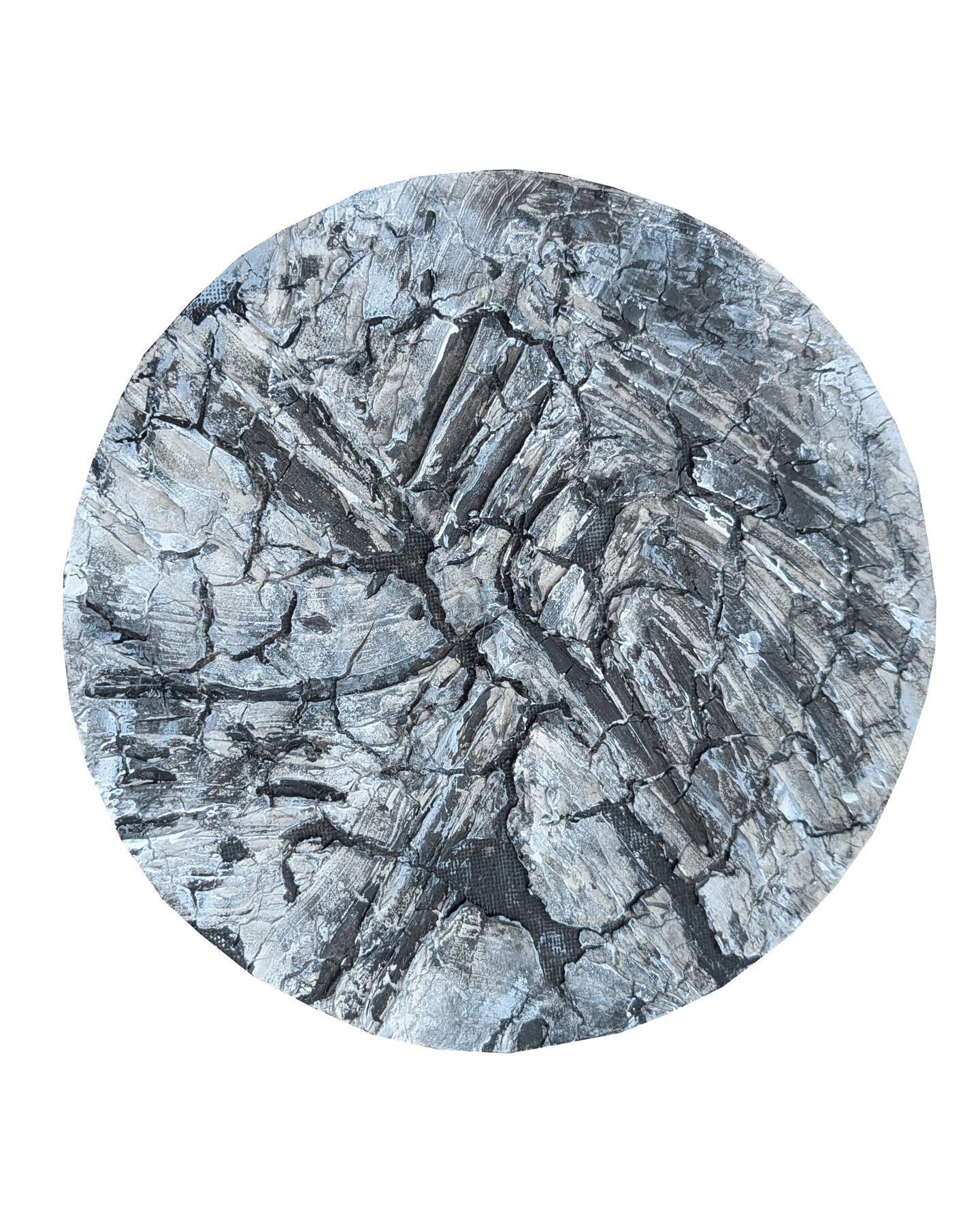
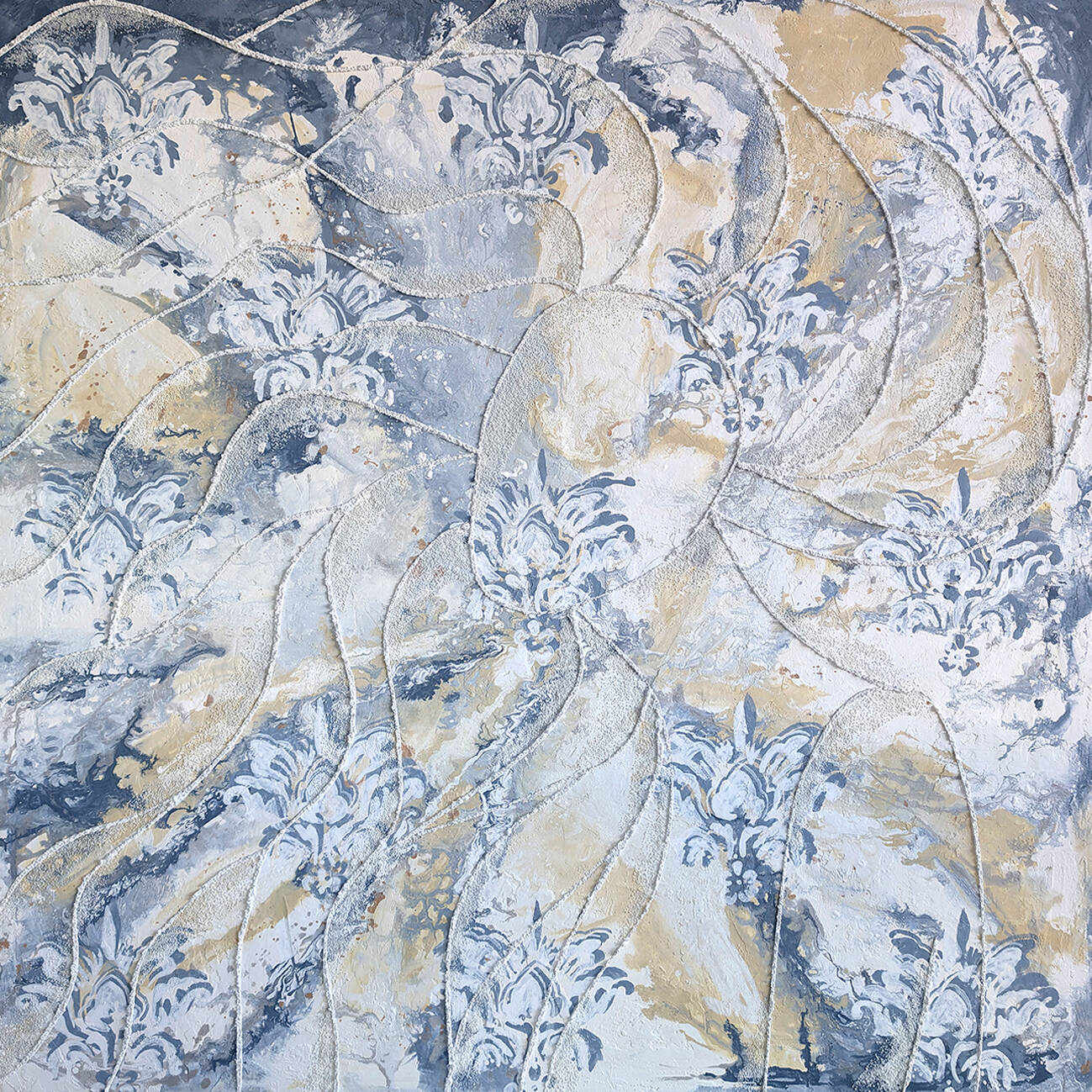
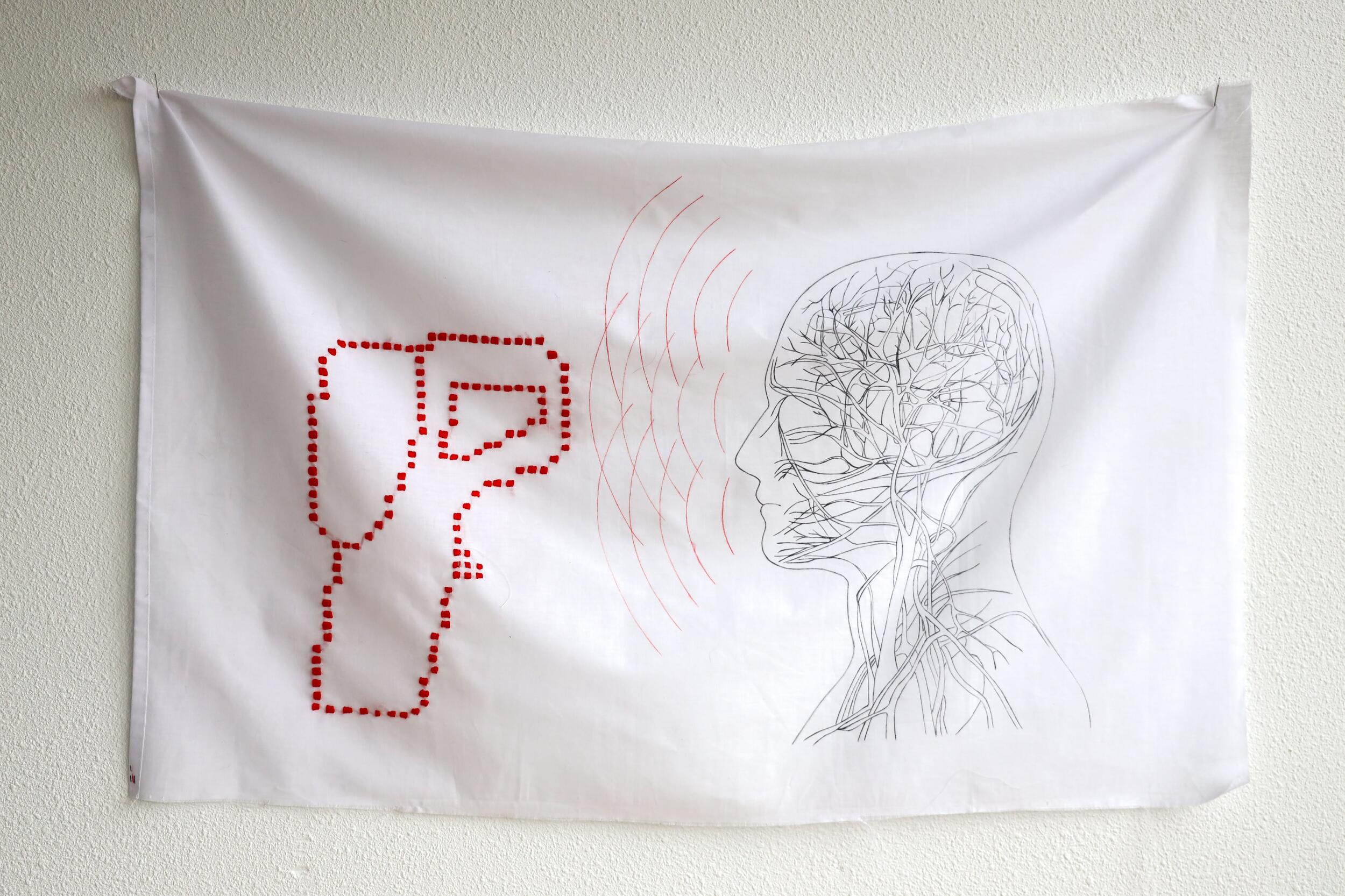
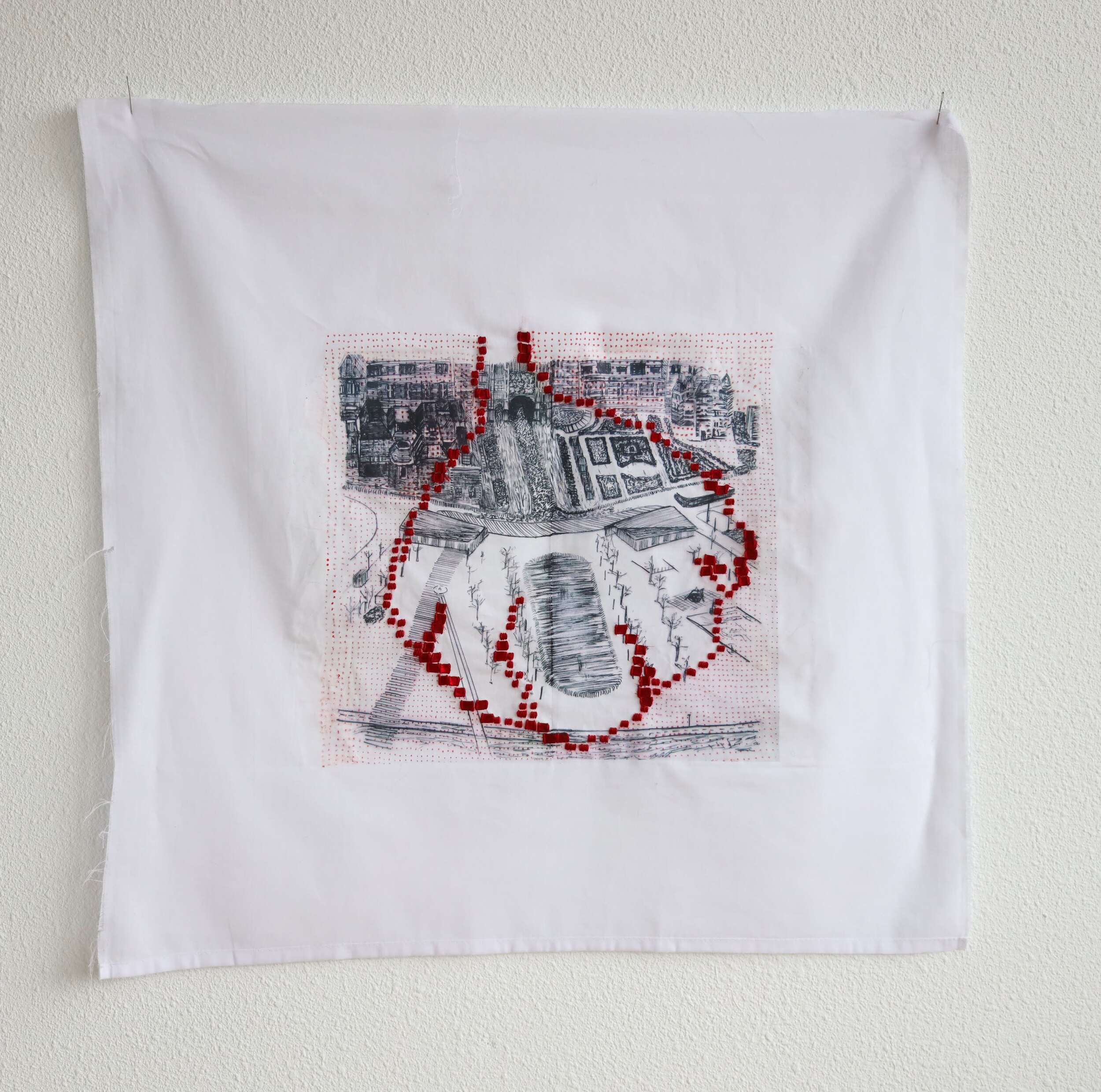
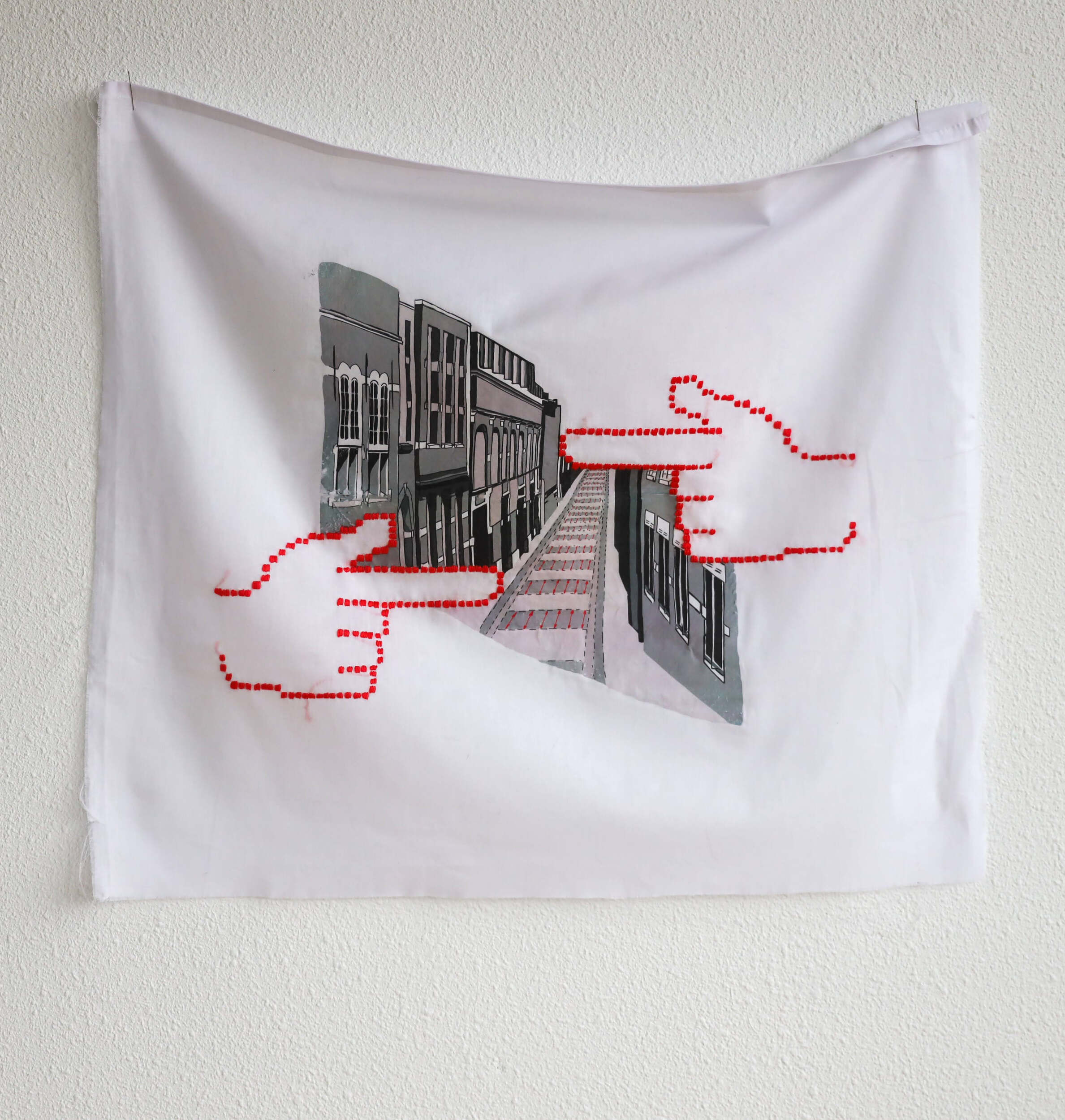
The grid that watches. New norms, thermometry, aerial traces — the instruments by which a body is measured, mapped, and declared legible. Fabric, ink, and embroidery hold the residue of the reading.
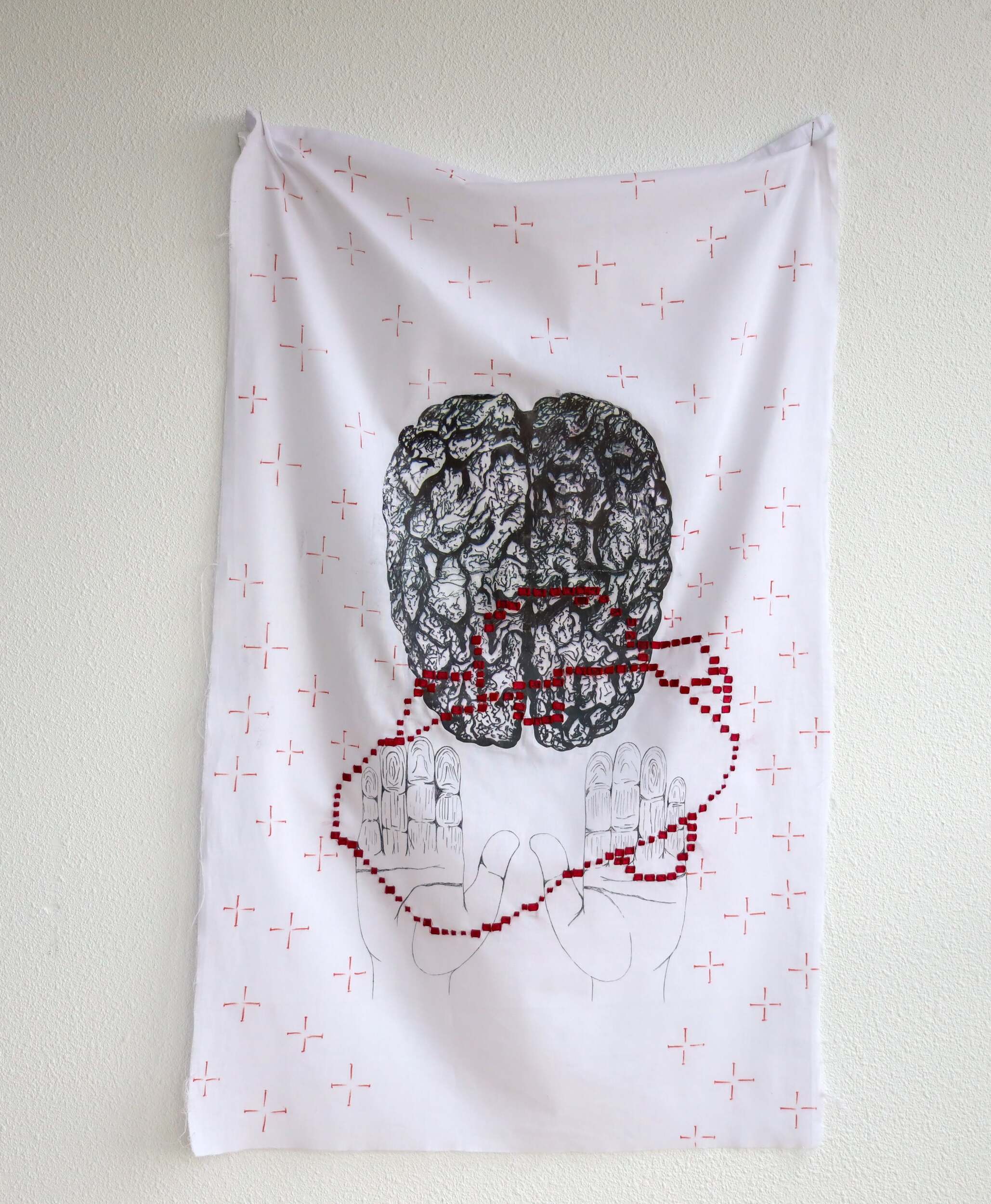
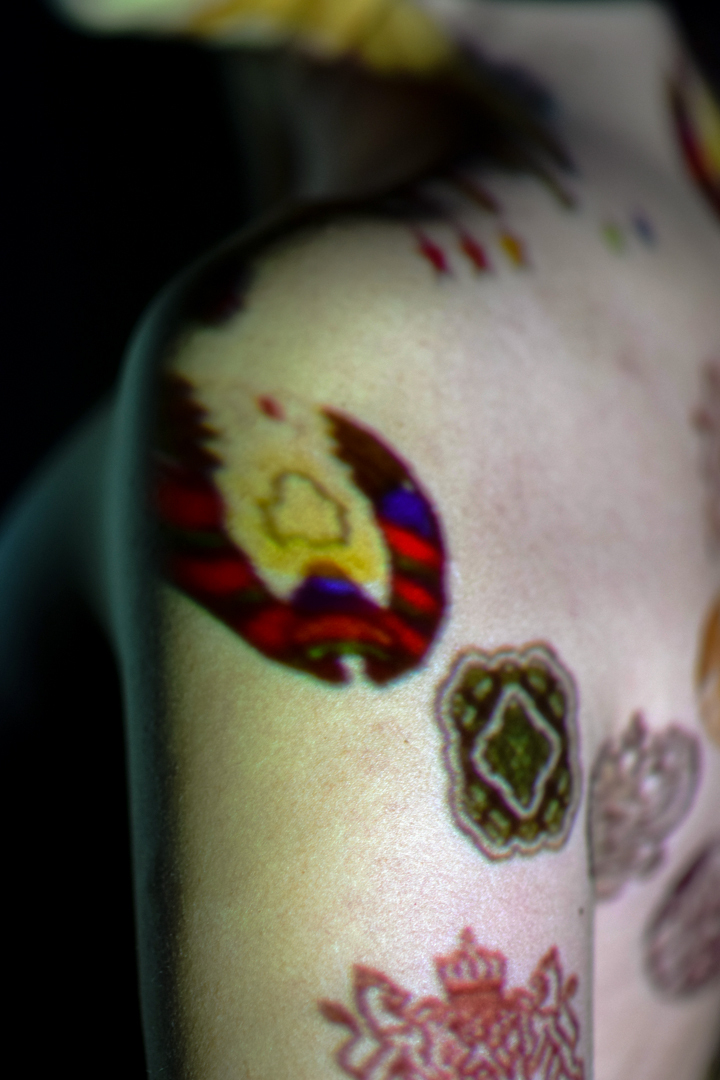
An open chapter, kept in the present tense. Rubbings, off-cuts, photographs of a wall that will be repainted by spring — material collected before it is decided what any of it belongs to.
Works from this chapter are still in the studio.
Each piece begins as an empty surface and accumulates — pigment pressed in, found textures lifted from the street, fabric stitched and re-stitched. The process is durational by design. It records the time spent with the material as much as the image that emerges.
Nothing is resolved in a single sitting. Layers are left to dry, reconsidered, sanded back; what survives that waiting is what stays in the finished work.

Plate I · Studio, Amsterdam
Each piece is one-of-a-kind. For availability, pricing, shipping, and commissions — including questions about specific works in the index — write directly.